
Understanding should not start with the right words
Conceptica emerged from a simple thought: a person should not need to know the right words to gain access to knowledge and understanding.
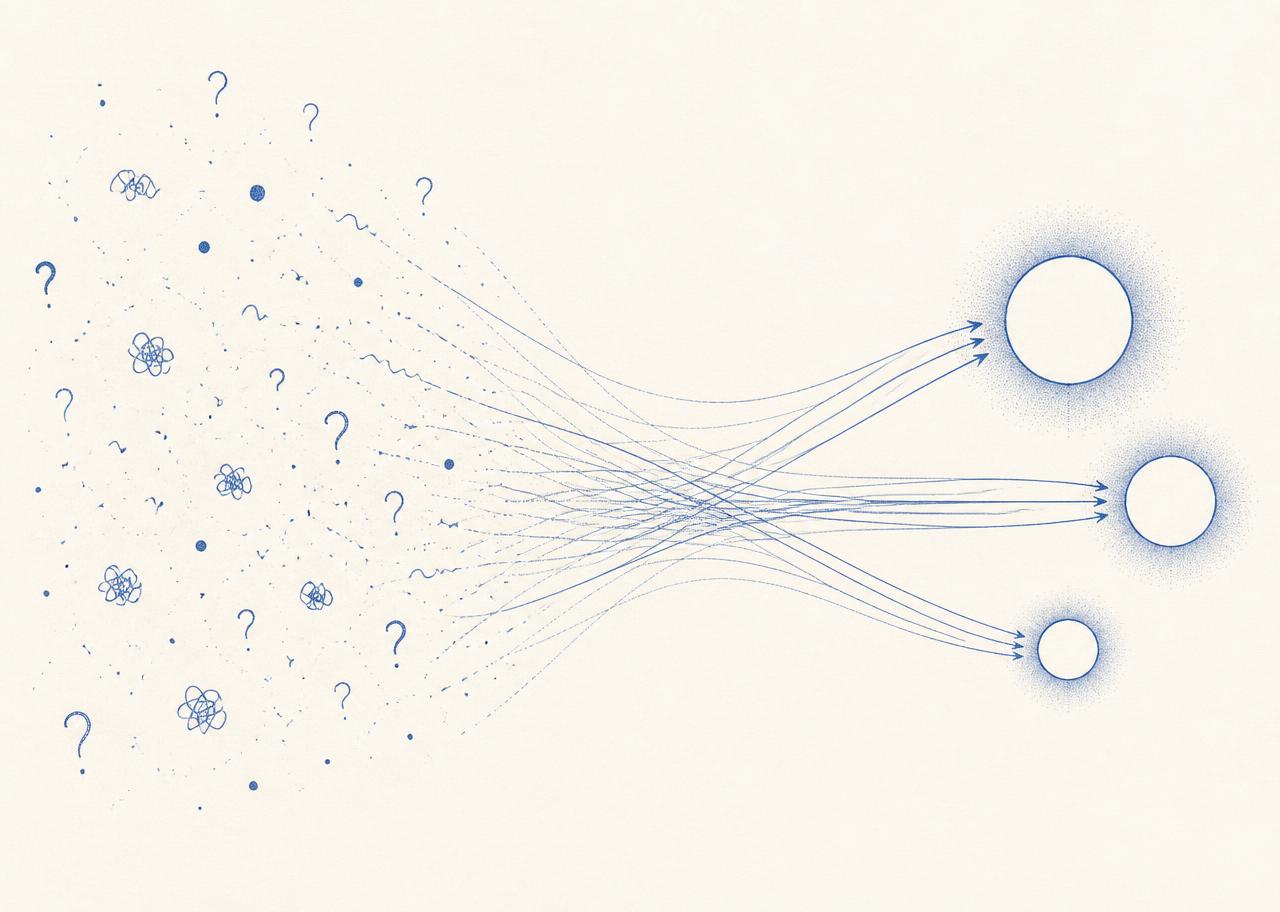
The world is getting complex faster than the language of explanation
New technologies, professions, tools, and thousands of new terms are appearing. Yet behind many complex words lie ideas that can be explained in simple human language.
Artificial intelligence for the first time gives us the opportunity to interact with computers exactly this way — in our own words.
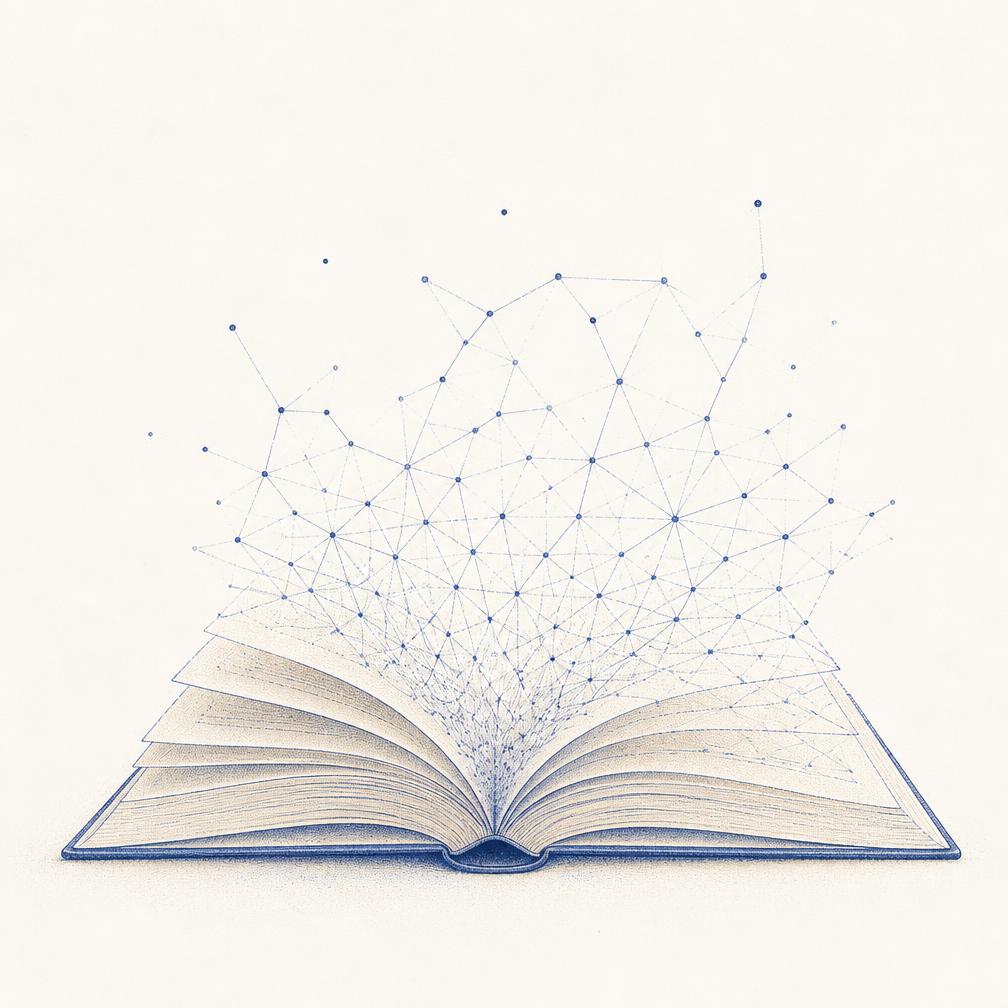
To help understand, not to collect all the world's knowledge
The project's goal is to help people better understand the world around them, express their thoughts and desires more clearly, and find shorter paths from a question or problem to the desired result. Collecting all knowledge in one place is impossible, and probably not necessary. Four things are much more important.
- 01
Ask good questions
A precise question is often more important than a ready answer — it shows exactly what you want to understand.
- 02
Notice misunderstanding
The moment when we stop understanding is easy to miss. Learning to catch it is a skill.
- 03
Explain simply
Behind complex words almost always lies an idea that can be told in human language.
- 04
Don't confuse words and meaning
Knowing the right term is not the same as understanding what stands behind it.
Conceptica explores such ideas and publishes them as short concepts and more detailed materials.
Before, people adapted to the system. Now — the opposite
For most of history, people had to learn to speak the language of surrounding systems. With the advent of modern AI, this is starting to change.
- To understand a new area — study its terminology
- To find information — know in advance what to search for
- To use a computer — understand its interface and rules
- Describe the situation in your own words
- Start with a question, not a term
- Get an explanation in understandable language
I don't know what this is properly called. I'll just tell in my own words what's happening and what I want to understand.
And start from there. This seems like a small change, but its consequences may turn out to be much more significant.
One author, many questions
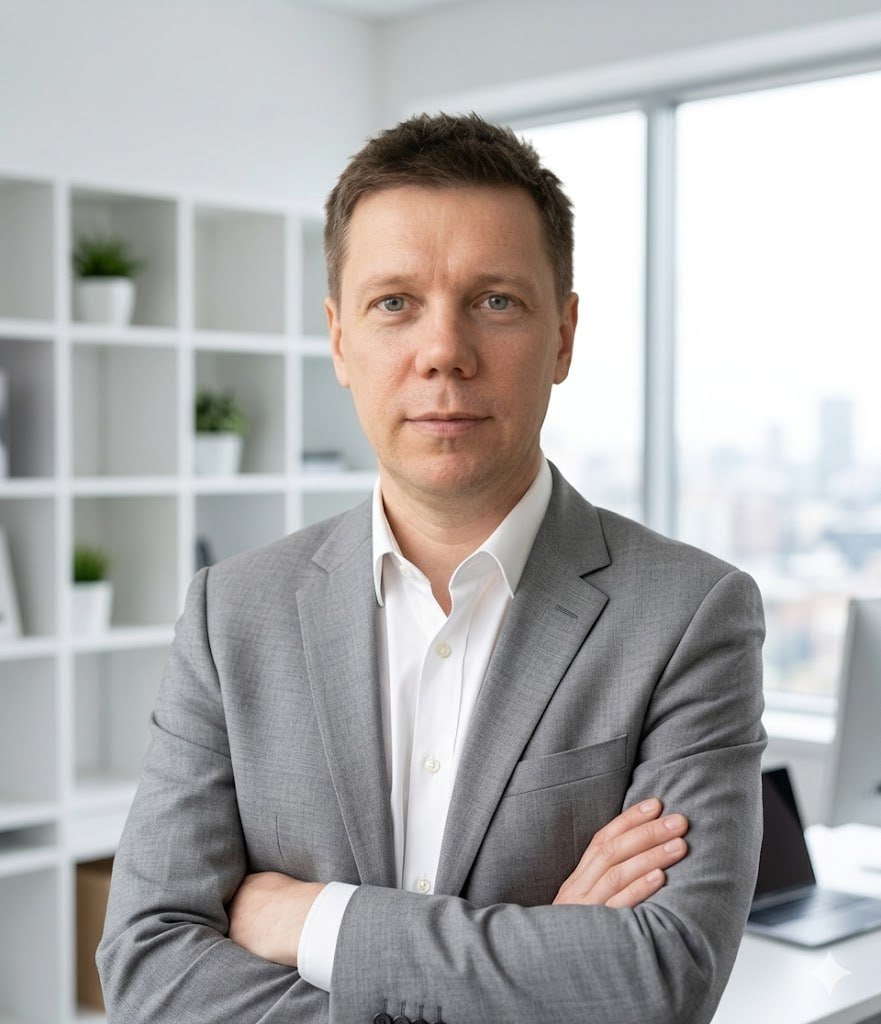
Nikolay Lanets
Project author · web development since 2007
I have been doing web development for over 19 years and have worked with technologies, the internet, and software systems for many years. This experience allows me to navigate relatively easily in many things that may seem complex to a person without technical training.- 19+years working with technologies and software systems
- ∞questions yet to be explored
Not an encyclopedia, but an investigation
Conceptica is not an attempt to create a final correct picture of the world. Hypotheses, observations, and ideas may appear here that will be refined, supplemented, or revised over time.
The main goal is to explore how people and machines can better understand knowledge, the world around them, and each other. Therefore, an important part of the project is the readers' own questions: if there is something you would like to understand, but suitable material is not yet available, you can suggest a question for research. You don't need to know the right terms — just tell in your own words.
Open by default
It is especially important to me that the ability to understand a new topic does not depend on country, education level, or a person's ability to pay for access to explanation.
At the same time, creating and developing the project requires time and resources. In the future, additional tools and services, including paid ones, may appear around Conceptica. This does not contradict the openness of the main materials: a sustainable project must be able to finance its own development.
Read, argue, verify
First of all — read, ask questions, argue, verify ideas, and use what turned out to be useful for you.
Open concepts →Support the project
If you want to help Conceptica exist and develop, the project can be supported.
Support →